
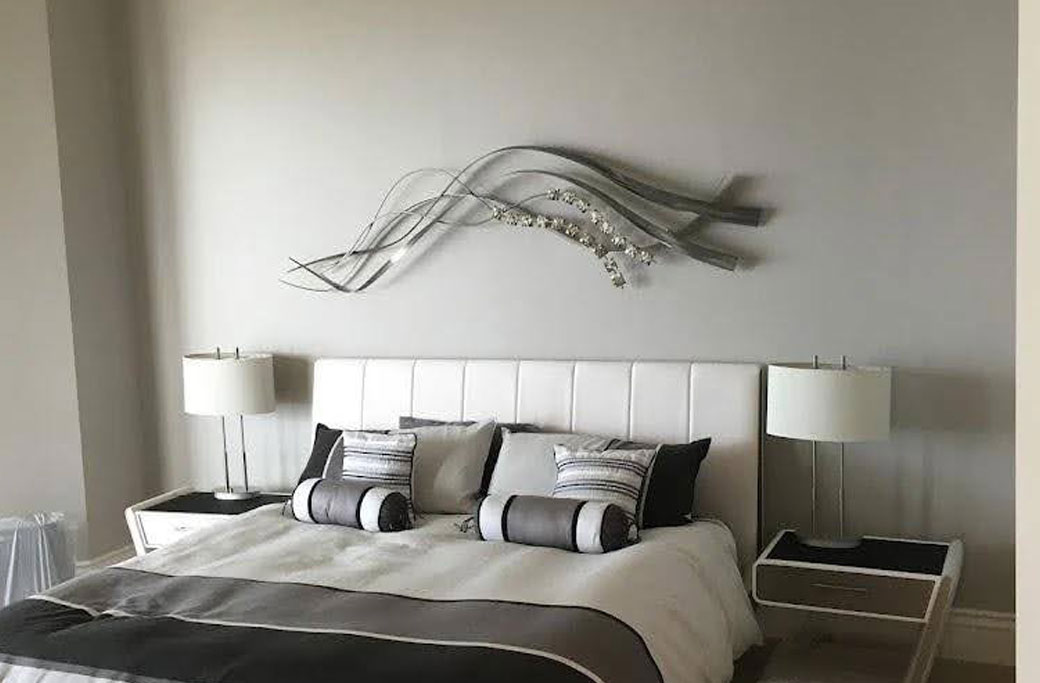
An interior painting project should feel organized long before the first coat goes on. Whether you’re refreshing a living room, updating bedrooms, or repainting several areas of your Fernandina Beach home, knowing what to expect makes the process easier. Our team at Hall’s Quality Painting can help you define the scope, discuss the condition of your walls and trim, and plan the work around your household. Here’s how the process fits together, from the first conversation to the final walkthrough.
1. Start With a Walkthrough and a Clear Painting Scope
Before choosing colors or dates, make a list of the rooms and surfaces you want painted. Walls may be the priority, but don’t overlook ceilings, doors, baseboards, window trim, and closets. Note any scuffs, nail holes, peeling edges, water stains, or areas that have been patched before. Tell us what you’re hoping to improve, perhaps a brighter room, a more cohesive look, or walls that can stand up to everyday use.
We begin every interior painting project by learning about your goals and evaluating the areas you want painted. During our on-site consultation, we assess the condition of your walls, ceilings, and trim, take measurements, identify areas that may need preparation or repairs, and discuss your color and finish preferences. We then provide written recommendations and a clear project scope, so you understand what work is included and what to expect before painting begins.
2. Choose Colors and Finishes in Your Actual Home

Paint colors change with lighting. In Fernandina Beach, a bright coastal afternoon can make a shade look very different from how it appears in a shaded bedroom or under evening lamps. Test colors in the rooms where they will be used, and compare them beside flooring, cabinetry, countertops, and existing trim. If you’re keeping the trim color, treat it as part of the palette rather than choosing wall colors in isolation.
Finish matters too. A more reflective sheen may make surface texture and older patches more noticeable; a lower-sheen finish usually has a softer look. Cleaning performance depends on the particular paint product, not sheen alone. We can discuss appearance, room use, and wall condition as part of your project planning.
3. Prepare the Rooms Before Painting Day
Ask which belongings should be moved and which protection tasks are included in your proposal. Put away fragile decorations, small electronics, artwork, and valuables from the work areas. Discuss access to larger furniture, window treatments, and any rooms that need to stay available. If you work from home, let us know which spaces are essential during the day. Make a plan for pets and children to stay clear of active work areas.
It’s also helpful to agree on entry arrangements, parking, work hours, and the best way to communicate questions. A little preparation helps the project fit more smoothly into your household routine.
4. Address Wall and Trim Conditions Before Applying Paint
A fresh coat can make a room look renewed, but it won’t hide every defect. Nail holes, uneven patches, peeling paint, cracked caulk, and stains can show through if they are not addressed appropriately. The project scope should explain what cleaning, filling, sanding, caulking, masking, and priming will be completed where needed. Different surfaces may require different preparation.
Pay special attention to recurring stains or damp areas. Moisture intrusion must be identified and corrected before repainting. Paint is a finish, not a solution for an ongoing leak or damaged substrate. Let our team know about any past water problems during the initial walkthrough.
5. Understand the Painting Sequence and Daily Communication
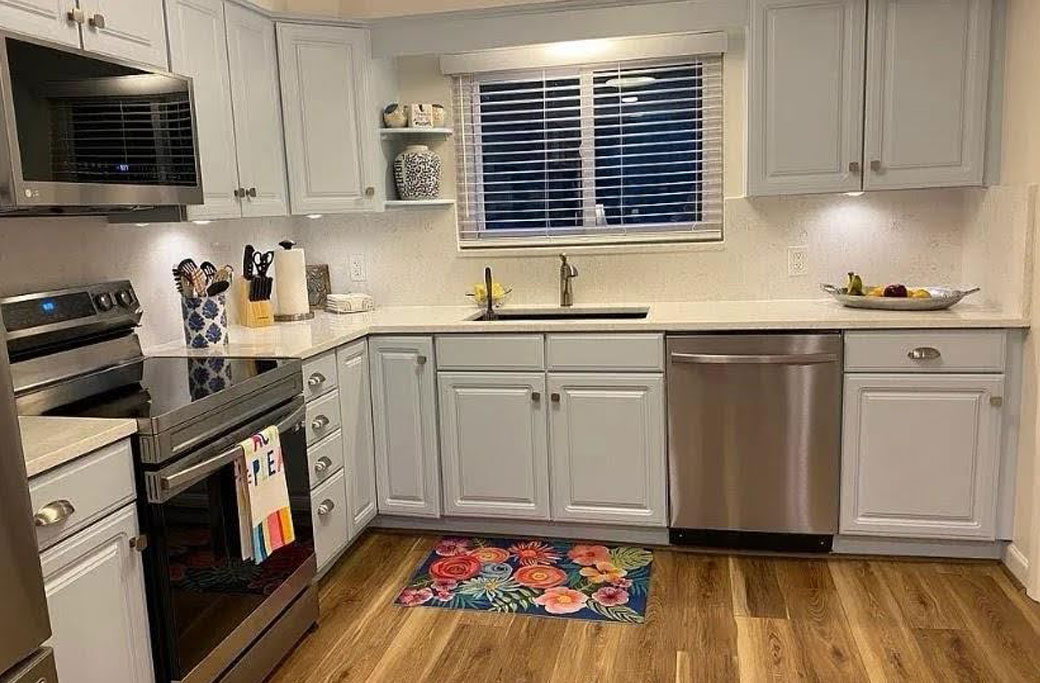
Once surfaces are ready, painting typically proceeds through edge work and application to the larger areas, with suitable time between coats. The exact sequence depends on the number of rooms, the surfaces involved, and the products selected. Your written scope should explain the work being performed, rather than leaving you to assume that every wall, ceiling, and piece of trim is included.
Our established process emphasizes standard operating procedures, daily checklists, experienced crew leadership, and ongoing supervision. Ask who your point of contact will be, how progress will be communicated, and what happens if an unexpected surface condition changes the plan.
6. Allow for Coastal Florida Drying and Curing Conditions
Humidity is a normal part of life in Fernandina Beach and Nassau County. Even indoors, moisture in the air and room temperature can influence drying conditions. Each coating has manufacturer guidance for application, ventilation, recoat intervals, and curing. A painted surface may feel dry to the touch before it has fully cured.
Ask about when rooms can be used again, when furniture can be moved back against walls, and when newly painted surfaces may be cleaned. Opening windows is not always the best solution when outdoor humidity is high; follow the product and project-specific recommendations.
7. Complete a Thoughtful Final Walkthrough
When the work is complete, review the surfaces included in your agreement in normal room lighting. Look at corners, transitions beside trim, repaired spots, and the overall consistency of the finish. Discuss any touch-ups and confirm cleanup responsibilities. Keep the coating details and project documentation so future maintenance or touch-ups are easier to plan.
The final walkthrough is also a good time to ask about care. How soon can you hang artwork? When is it safe to wipe down a wall? The answers depend on the products used and the conditions in the home.
Let’s Plan Your Interior Painting Project
Thinking about refreshing your Fernandina Beach home? Tell us which rooms you want to update and what you’d like to change. Our painting team can review the existing surfaces, discuss colors and preparation, and help you understand the scope before the project begins. Contact Hall’s Quality Painting to request an interior painting consultation.
Request Your Interior Painting Consultation
Frequently Asked Questions
Do I Need to Leave My Home During Interior Painting?
Not necessarily. It depends on which rooms are being painted, ventilation, the products selected, and your household’s needs. Discuss children, pets, and any sensitivities before work begins.
How Long Will My Interior Painting Project Take?
There is no reliable one-size-fits-all timeline. The number of rooms, preparation and repair work, trim details, coating requirements, and drying conditions all affect scheduling. We can discuss timing after reviewing the actual scope.
Should I Move Furniture Before the Painters Arrive?
Ask what should be cleared and who will handle larger items before the start date. Moving fragile belongings and personal items out of the work area is a sensible first step.
Can Interior Painting Be Done During Humid Weather?
Often, yes, provided indoor conditions meet the coating manufacturer’s requirements. High humidity can slow drying, so the schedule and ventilation plan should reflect the products being used.
When Can I Hang Artwork or Clean Newly Painted Walls?
Wait for the product-specific drying and curing guidance. Dry to the touch does not always mean fully cured; ask our team for the care recommendations that apply to your project.