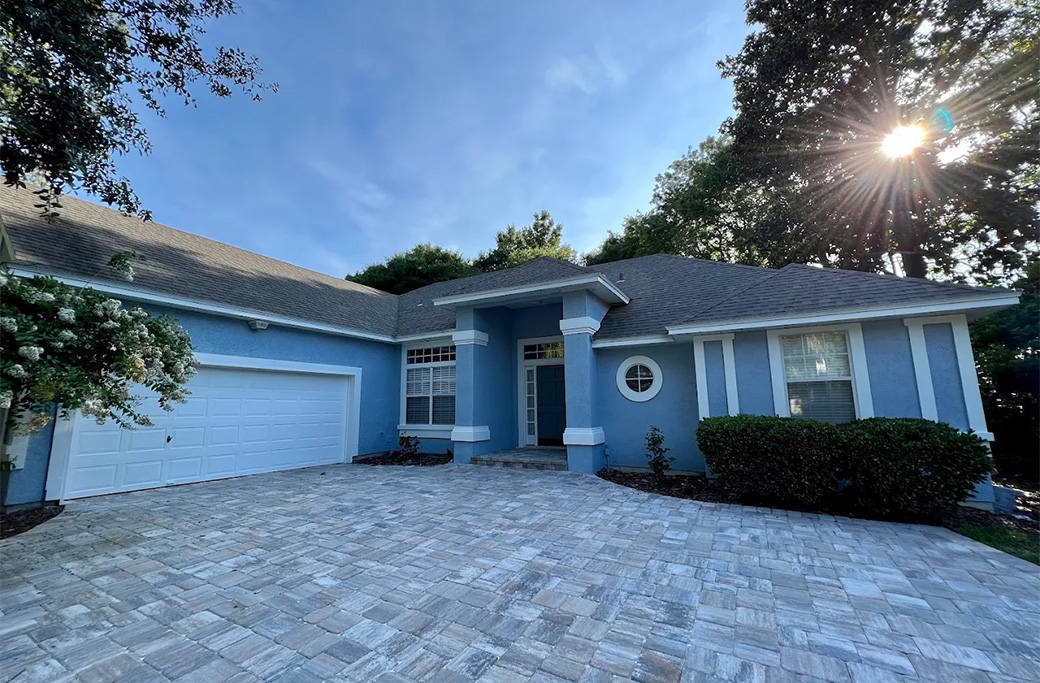
Florida homes often need exterior repainting sooner than homes in milder climates due to our intense sun, high humidity, frequent rain, and, in coastal areas, salt exposure continually stress the coating.
There isn’t one repainting schedule that works for every Florida home. The condition of the existing paint, exterior material, previous surface preparation, sun exposure, moisture, and proximity to the coast all affect how long a paint job can perform.
For homeowners in Fernandina Beach and Nassau County, the better question isn’t simply,
“How many years has it been?” It’s “Is my exterior still adequately protected?”
Here’s how to tell.
Why Florida Homes Can Need Painting More Often
Exterior paint has two jobs. It changes the appearance of a house, but it also creates a protective coating over the surfaces underneath. Florida’s climate can make that job challenging.
Intense Sun and UV Exposure
Florida gets plenty of sunshine, and ultraviolet exposure can gradually break down exterior coatings. Over time, colors may fade and painted surfaces can become chalky.
Some sides of a home may deteriorate faster than others because they receive more direct sunlight. That’s one reason repainting decisions should be based on the actual condition of the house rather than the calendar alone.
Hall’s has discussed the relationship between Florida heat and paint performance in more detail in our guide to how hot weather impacts Florida exterior painting.
Humidity and Moisture
Humidity is another major consideration in Northeast Florida.
Moisture can affect both the condition of an existing coating and the preparation required before a new one is applied. Areas that stay damp or receive limited sunlight may also be more prone to mildew and other surface buildup.
If paint is already peeling, cracking, or separating from the surface, simply adding another coat doesn’t solve the underlying problem. The surface needs to be evaluated and properly prepared first.
Salt Air Near the Coast
Fernandina Beach and Amelia Island homeowners also have something many inland Florida homeowners don’t have to think about as much: salt exposure.
Salt carried through coastal air can settle on siding, trim, doors, railings, and other exterior surfaces. That buildup is one reason proper cleaning and preparation are especially important before repainting a coastal home.
Learn more about this step in our guide to power washing exterior surfaces in Fernandina Beach.
How Often Should You Repaint a House in Florida?
There is no universal number of years that applies to every Florida home.
A Florida house should be repainted when its existing coating is no longer providing the appearance or protection the exterior needs, not simply because a predetermined number of years has passed.
The lifespan of a paint job can vary considerably based on:
-
- Exterior material
- Quality and condition of the previous coating
- Surface preparation
- Amount of direct sunlight
- Moisture exposure
- Salt exposure
- Color and coating characteristics
- Condition of the underlying surface
- Previous maintenance
A protected section of a house may still look good, while another side exposed to intense afternoon sun is already showing noticeable deterioration. That’s why inspecting the exterior periodically is more useful than relying exclusively on a repainting schedule.
7 Signs Your Florida Home May Be Ready for Repainting
1. Color Has Noticeably Faded
Fading is one of the easiest changes to spot. Compare heavily exposed areas with sections protected by porches, rooflines, or shade. A significant difference can show how much the coating has changed from sun and weather exposure.
Fading alone doesn’t always mean the coating has failed, but widespread fading can be a good reason to have the exterior evaluated.
2. Paint Looks Chalky
Run your hand over an exterior painted surface. If it leaves a powdery residue, you may be seeing chalking. Some chalking occurs naturally as coatings weather, but excessive chalkiness can indicate that the coating is deteriorating.
It also matters when repainting, because new paint needs a properly prepared surface to adhere correctly.
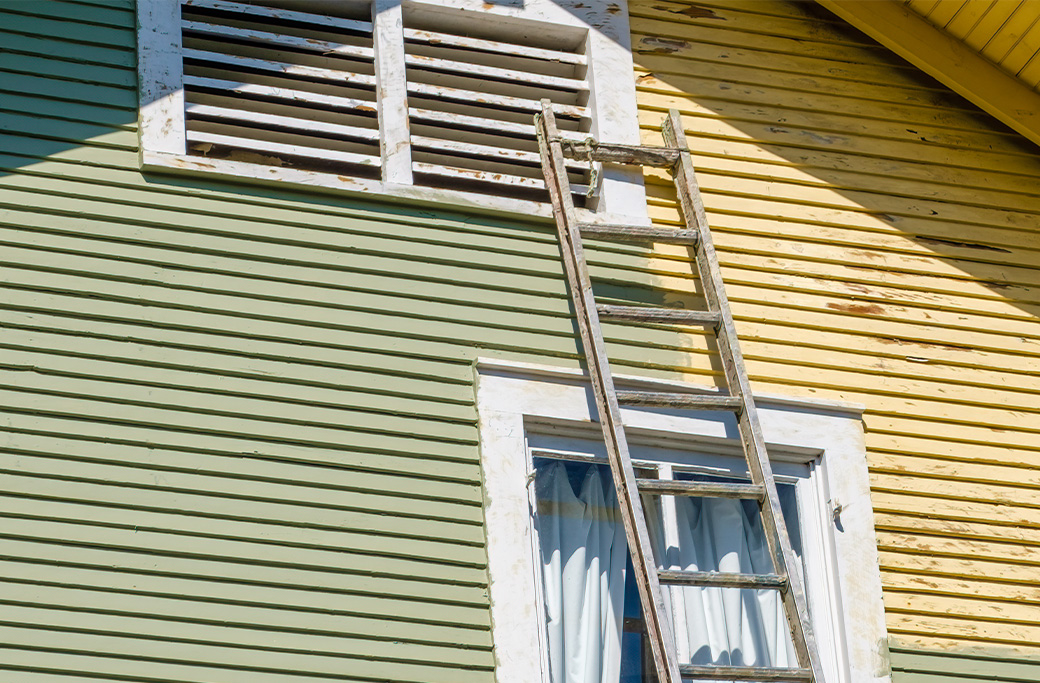
3. Paint Is Peeling, Flaking, or Cracking
Peeling paint deserves more attention than fading. When a coating starts separating from the surface, the material underneath can become increasingly exposed to Florida’s moisture and weather.
Don’t assume another coat of paint will fix it. The cause of the failure should be addressed and loose or failing material properly prepared before repainting.
4. You See Mildew or Persistent Surface Growth
Florida’s warm, humid environment can encourage mildew and organic growth on exterior surfaces. Cleaning may be all that’s needed when the coating underneath remains sound. If the paint itself is deteriorating, however, cleaning alone won’t restore the coating.
This is another situation where an exterior assessment can help distinguish a maintenance problem from a repainting problem.
5. Caulk Is Cracking or Separating
Exterior joints and gaps deserve attention too. Deteriorating caulk around trim, windows, doors, and other transitions can allow moisture into areas where you don’t want it.
Cracked caulk doesn’t automatically mean the entire house needs repainting, but when it appears alongside fading, peeling, or other coating problems, it may be part of a larger maintenance issue.
6. Different Areas of the House Are Aging Unevenly
Your house doesn’t experience Florida weather evenly. One wall may receive hours of direct sunlight while another stays shaded. Upper stories may experience different exposure than covered areas. Homes closer to the coast may also experience more salt accumulation on exposed surfaces.
Uneven deterioration is normal, but significant differences can signal that it’s time to evaluate the overall exterior.
7. The Exterior Needs Increasingly Frequent Touch-Ups
Occasional maintenance is expected. Although, if you’re repeatedly addressing peeling trim, faded areas, worn doors, or other isolated failures, it may be worth determining whether continued touch-ups still make sense or whether a more complete exterior repaint is appropriate.
Does the Exterior Material Change the Repainting Schedule?

Yes. Different materials respond differently to Florida weather, and their preparation requirements aren’t identical.
Stucco
Stucco is common in Florida and can develop cracks, staining, chalking, or other signs of weather exposure.
Before repainting, the condition of both the existing coating and stucco itself should be considered. Painting over unresolved surface problems can hide them temporarily rather than correct them.
Wood Siding and Trim
Wood requires particular attention because a failing coating can leave it more vulnerable to moisture. Hall’s already has a separate guide specifically addressing how often cedar siding needs to be painted in Florida.
That article addresses cedar specifically; the condition and maintenance needs of other exterior materials can be different.
Brick, Concrete, and Other Painted Surfaces
Previously painted masonry and other exterior surfaces should also be evaluated based on coating condition, adhesion, moisture exposure, and previous preparation.
The important point is that the substrate matters. A repainting recommendation should account for what’s underneath the paint, not just what the topcoat looks like.
Should You Wait Until Paint Starts Peeling?
Ideally, no. Peeling is a clear sign that a coating has begun failing, but you don’t necessarily need to wait for visible failure before considering repainting.
A better approach is to watch for a combination of warning signs:
fading + chalking + cracked caulk + localized coating failure = a good reason to have the exterior evaluated.
Repainting while the underlying surfaces remain in good condition can also reduce the amount of corrective preparation required, compared with waiting until deterioration becomes extensive.
What Is the Best Time to Repaint a House in Northeast Florida?
Florida doesn’t have the same short exterior-painting season as colder parts of the country, but weather still matters. Temperature, humidity, rain, surface moisture, and direct sunlight all affect when exterior coatings can be properly applied. In Fernandina Beach, that means the decision isn’t simply based on the month. Conditions on the specific project and surface matter.
If you’re trying to decide when to schedule the work, read When Is Exterior House Painting Season Over in Florida? for a closer look at Florida painting conditions.
How Can You Help an Exterior Paint Job Last?
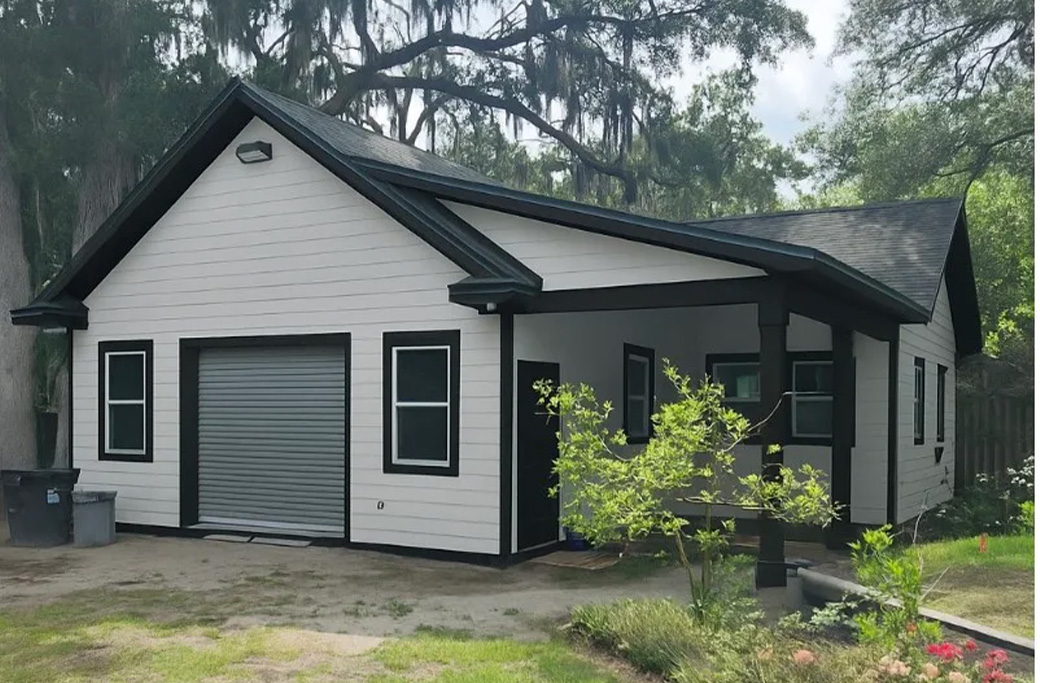
The longevity of an exterior paint job begins before the first finish coat goes on.
Start With a Clean Surface
Dirt, mildew, salt, chalking, and loose material can interfere with adhesion. Coastal homes may require particular attention to surface cleaning because of salt and moisture exposure.
Address Surface Problems First
Painting over damaged or deteriorated areas doesn’t make those problems disappear.
Repairs and surface preparation should be addressed as appropriate before the finish coats are applied.
Pay Attention to Weather Conditions
Paint needs suitable application and drying conditions.
Heat, humidity, rain, surface temperature, and direct sunlight can all influence the process, particularly in Florida.
Don’t Judge the Exterior From the Street
A home can still have good curb appeal from 30 feet away while showing deterioration up close.
Look at trim, corners, window areas, doors, siding, stucco, and the most weather-exposed sides of the house. These areas can reveal changes long before they’re obvious from the road.
Better Rule for Florida Homeowners: Inspect, Don’t Guess
Instead of assuming your home needs paint every specific number of years, make exterior inspection part of your regular home-maintenance routine.
Look for:
-
- Fading
- Chalking
- Peeling or flaking
- Cracking
- Mildew or persistent buildup
- Failed caulk
- Exposed or deteriorating surfaces
- Areas that repeatedly need touch-ups
For homeowners near the Northeast Florida coast, also pay attention to areas that receive the most direct sun, moisture, wind, and salt exposure.
The right time to repaint is before widespread coating failure leaves the underlying exterior unnecessarily exposed.
Need Help Deciding Whether Your Home Is Ready for Paint?
If your Fernandina Beach-area home’s exterior is fading, chalking, peeling, or simply looking weathered, Hall’s Quality Painting can evaluate the project and help you determine what the exterior needs.
Explore our exterior painting services in Fernandina Beach or contact Hall’s Quality Painting to discuss your home.
Frequently Asked Questions
How often should you paint your house in Florida?
There isn’t one repainting interval that applies to every Florida house. Sun exposure, humidity, rain, salt air, exterior material, surface preparation, and the condition of the previous coating can all change how quickly a home needs repainting. Inspecting the coating for fading, chalking, peeling, cracking, and other deterioration is more reliable than using age alone.
How do I know if my Florida house needs repainting?
Common signs include significant fading, chalky paint, peeling or flaking, cracks in the coating, deteriorating caulk, persistent surface growth, and areas that repeatedly require touch-ups. Multiple warning signs are a good reason to have the exterior evaluated.
Does salt air make exterior paint wear out faster?
Coastal conditions can place additional stress on exterior surfaces. Salt can accumulate on siding, trim, doors, railings, and other surfaces, making regular cleaning and proper preparation especially important for homes near the ocean.
Does Florida humidity affect exterior paint?
Yes. High humidity and moisture can affect exterior surfaces as well as paint application and drying conditions. Surface moisture and weather conditions should be considered before exterior painting begins.
Can you paint a house year-round in Florida?
Florida offers more exterior-painting opportunities throughout the year than colder climates, but not every day is suitable for painting. Temperature, rain, humidity, surface moisture, sunlight, and the coating being used all need to be considered.
Should I repaint my house before the existing paint starts peeling?
You don’t have to wait for widespread peeling. Fading, chalking, deteriorating caulk, and localized coating problems can provide earlier warning that an exterior should be evaluated. Addressing the coating before extensive failure can prevent the exterior from remaining unnecessarily exposed to Florida weather.